Build a food rhythm
Learn how balanced meals, local ingredients, hydration, and realistic planning can support a steadier day.
Explore nutrition →Wellness after thirty is not a race toward a fixed ideal. It is a practical conversation about energy, strength, rest, food, relationships, and the environments that make healthy choices easier to sustain.
Read our approach
Kleven brings together accessible explanations and grounded routines without promising instant transformation. Explore topics at your own pace, compare perspectives, and take questions to a qualified professional when personal advice is needed.
Learn how balanced meals, local ingredients, hydration, and realistic planning can support a steadier day.
Explore nutrition →Strength, mobility, walking, and recovery can work together without turning movement into punishment.
Explore movement →Sleep, stress, and social connection shape how vitality feels long before a metric tells the story.
Explore sleep →
Health conversations can become narrowly focused on appearance or isolated measurements. Kleven looks instead at the small systems around a person: the food available at home, the commute, the quality of rest, the people who offer honest support, and the ability to recover after a demanding week.
That view makes room for Indonesian routines, family meals, tropical weather, community life, and the reality that every body has a different history.
Meet KlevenNo single habit explains how someone feels day to day. This overview lines up four frequently asked areas next to the kind of question readers usually bring, and where a longer explanation lives on the site.
| Topic area | Common question | Where to read more |
|---|---|---|
| Food and hydration | How do I plan meals that fit a working schedule? | Nutrition |
| Movement and recovery | Is walking enough, or do I need structured training? | Movement |
| Sleep and rest | Why do I feel tired despite a full night in bed? | Sleep |
| Stress and mood | How does ongoing pressure at work affect the body? | Stress |
| Hormonal changes | What actually shifts for men after thirty? | Hormones |
Start by observing energy, mood, appetite, and sleep without judging the pattern.
Select one change that fits your schedule and household rather than a dramatic reset.
Repeat the choice long enough to learn what supports you in real conditions.
Keep what helps, adjust what does not, and seek clinical guidance for persistent concerns.
“A calmer approach gives people room to ask better questions about their health.”
— Kleven editorial note, March 2026
“Readers tell us they want context, not instructions. That shapes how every article is framed.”
— Kleven editorial note, May 2026
“The most useful page on the site is often the one that simply explains a term correctly.”
— Kleven editorial note, July 2026
These definitions appear across our articles and are worth knowing before diving into a specific topic.
A general sense of physical and mental readiness for daily demands, shaped by sleep, food, movement, and stress over time.
The process of returning toward a steady state after effort, poor sleep, or a demanding stretch of work.
Kleven articles are drafted and reviewed by a small team with backgrounds in health journalism, nutrition education, and exercise science, based in and around Jakarta.

Research summaries, interviews, and fact-checking for general-audience articles.
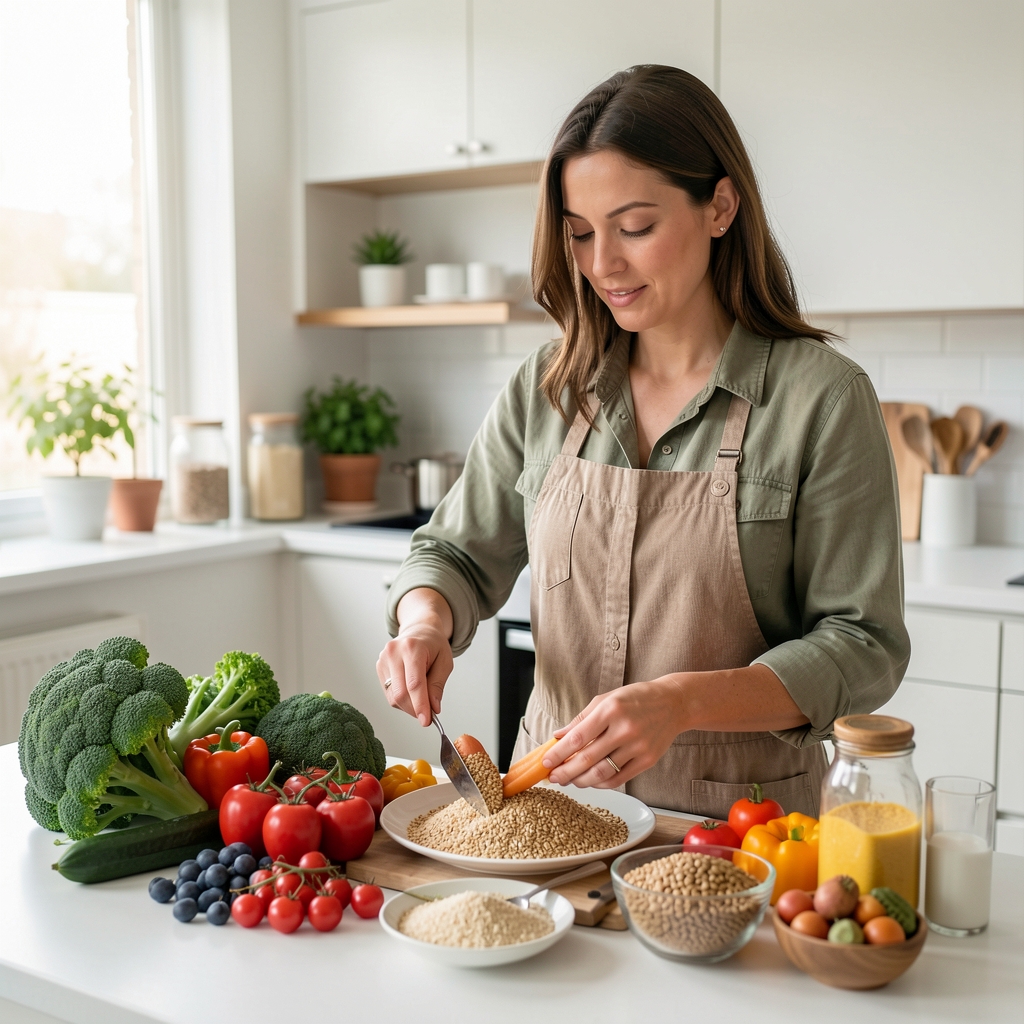
Practical meal planning guidance grounded in locally available ingredients.

Movement and recovery context drawn from current training literature.
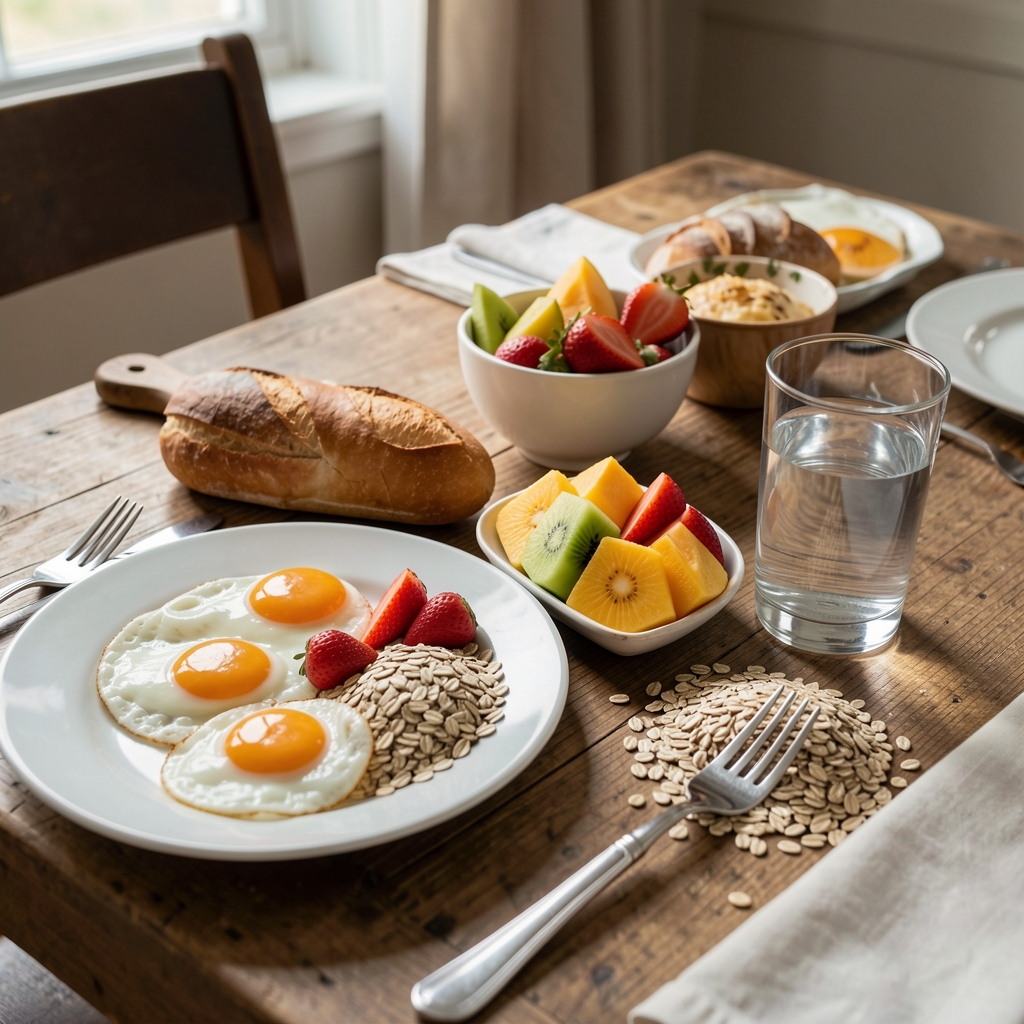
Why the first meal can be designed around schedule, appetite, and steady concentration rather than rules.
Read the guide
Small environmental cues can make a night more restorative without turning the bedroom into a laboratory.
Read the guideNo. Kleven provides general educational context and does not diagnose or treat any condition. See our full FAQ page for details.
Not automatically. Everyday practices still deserve attention to dose, quality, and personal suitability.
Primarily men past thirty, though the context is useful for partners, family members, and younger readers too.
Articles carry a current publication context and are checked when guidance or sources change.
Kleven is for reading, reflecting, and preparing thoughtful questions. It does not replace a doctor, dietitian, psychologist, or other qualified professional.
Contact the editorial deskBrowse the full list of subjects, from food and movement to sleep and relationships, and come back whenever a new question comes up.
See all topics